
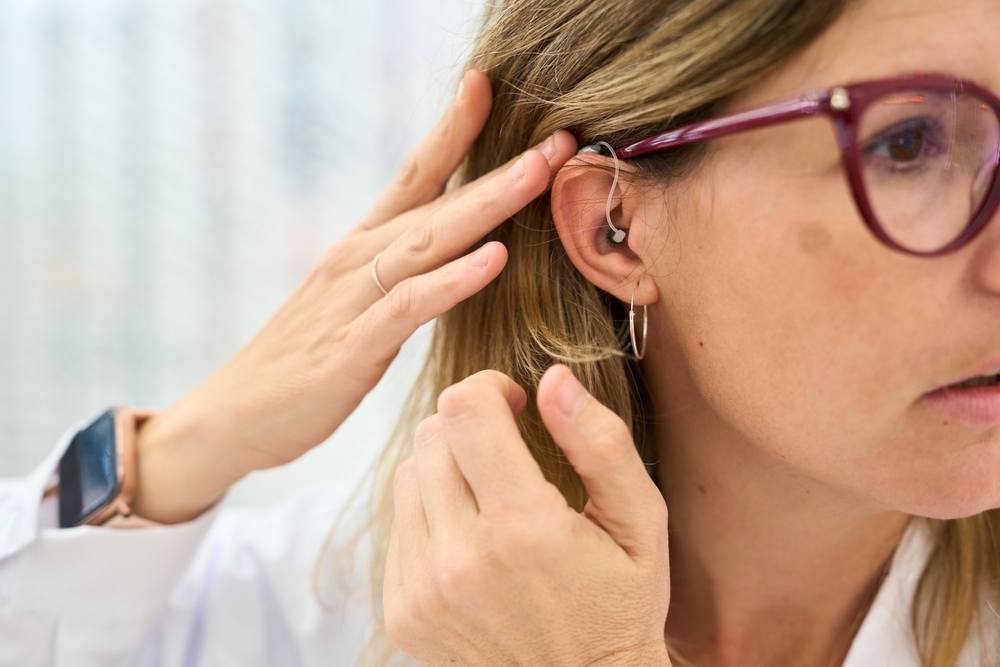
For many people, the biggest barrier to treating hearing loss isn’t the technology—it’s the perception of what a hearing aid looks like.
Outdated images of large, bulky devices from decades ago still influence how many people think about hearing aids today. As a result, countless individuals delay getting the help they need, even when hearing loss begins affecting their relationships, work, and daily life.
According to the World Health Organization (WHO), more than 1.5 billion people worldwide experience some degree of hearing loss, yet only a fraction of those who could benefit from hearing aids actually use them. Research also shows that many adults wait 7 to 10 years before seeking treatment, often because of concerns about appearance, comfort, or stigma.
The reality is that today’s hearing aids are dramatically different from those of the past. Modern devices are smaller, smarter, more comfortable, and more discreet than ever before—designed to fit seamlessly into everyday life while delivering exceptional sound quality.
Modern Hearing Aids Have Come a Long Way
If someone asked you to picture a hearing aid, you might imagine the large beige devices commonly seen in the 1980s or 1990s.
Today’s hearing aids bear little resemblance to those older models.
Advances in digital technology, miniaturized electronics, rechargeable batteries, and artificial intelligence have transformed hearing aids into sleek, lightweight devices that are often barely noticeable.
Many modern hearing aids are:
- Smaller than a coffee bean
- Custom-fit for all-day comfort
- Available in colors that match hair or skin tones
- Nearly invisible when worn
- Lightweight enough to forget you’re wearing them
For many users, friends, family, and coworkers don’t even realize they’re wearing hearing aids unless they mention it.
Types of Modern Hearing Aids
Today’s hearing aids are available in several styles to suit different levels of hearing loss, lifestyles, and cosmetic preferences.
Invisible-in-Canal (IIC)
Invisible-in-Canal hearing aids sit deep inside the ear canal and are custom-made for your ear.
Because they fit almost entirely out of sight, they offer one of the most discreet hearing solutions available. They’re often recommended for people with mild to moderate hearing loss who prioritize cosmetic appearance.
Completely-in-Canal (CIC)
CIC hearing aids also fit almost entirely inside the ear canal, making them very difficult to notice during everyday conversations while providing excellent sound quality.
Receiver-in-Canal (RIC)
Receiver-in-Canal (RIC) hearing aids are among today’s most popular styles.
A small device rests comfortably behind the ear while an ultra-thin wire connects to a receiver inside the ear canal.
Their sleek profile often resembles modern wireless earbuds or Bluetooth accessories rather than traditional medical devices.
Behind-the-Ear (BTE)
Modern BTE hearing aids are far smaller and more refined than earlier generations.
They provide powerful amplification for mild to profound hearing loss while remaining lightweight, comfortable, and surprisingly discreet.
More Than Better Looks—Smarter Technology
Modern hearing aids are much more than sound amplifiers.
Many function like sophisticated wearable computers, automatically adapting to changing listening environments throughout the day.
Depending on the model, today’s hearing aids may include:
- Bluetooth streaming for phone calls, music, podcasts, and television
- Rechargeable batteries that last all day
- Artificial intelligence that automatically adjusts sound settings
- Background noise reduction
- Directional microphones for clearer conversations
- Smartphone app controls
- Hands-free phone calling
- Fall detection and emergency alerts on select models
- Tinnitus management features
Many devices automatically recognize whether you’re in a quiet room, busy restaurant, moving vehicle, or outdoor setting and adjust themselves without requiring any manual changes.
Designed for Comfort
Comfort has become one of the biggest priorities in hearing aid design.
Thanks to lightweight materials and customized fittings, most users adjust quickly to wearing their devices throughout the day.
Your audiologist carefully programs and fits your hearing aids to match your hearing needs and ear shape, helping ensure both comfort and optimal performance.
Most people are surprised by how comfortable modern hearing aids feel after a short adjustment period.
Overcoming the Stigma of Hearing Aids
Many people worry that wearing hearing aids will make them appear older or draw unwanted attention.
In reality, untreated hearing loss often attracts more attention than hearing aids themselves.
Frequently asking people to repeat themselves, misunderstanding conversations, or avoiding social situations can be much more noticeable than wearing a nearly invisible hearing aid.
Research has shown that treating hearing loss can improve:
- Communication
- Social engagement
- Confidence
- Emotional well-being
- Workplace productivity
- Overall quality of life
Choosing to address hearing loss isn’t a sign of aging or weakness—it’s a proactive decision to stay connected with the people and activities you enjoy.
Experience the Difference for Yourself
If you’ve been avoiding hearing aids because of outdated perceptions, today’s technology may surprise you.
Modern hearing aids are smaller, lighter, and more discreet than many people imagine. They combine advanced digital technology with stylish designs that fit comfortably into everyday life.
The best way to understand how much hearing aids have evolved is through a professional hearing evaluation and personalized demonstration. An audiologist can explain your options, answer your questions, and recommend devices that match your hearing needs, lifestyle, and budget.
You may discover that the hearing aids you once pictured no longer exist—and that today’s technology can help you hear more clearly without compromising comfort or confidence.
Medical Disclaimer: This content is intended for educational and informational purposes only and should not be considered medical advice. Always consult a qualified audiologist or healthcare professional for diagnosis, treatment recommendations, and personalized hearing care.